5005356

சர்க்கரை இருக்கா உங்களுக்கு? அப்போ இத கண்டிப்பா தெரிஞ்சிக்கோங்க

டெஸ்ட் எடுக்க போறதுக்கு முன்னாடி இதெல்லாம் மறக்காம follow பண்ணுங்க

Fasting Sugar Test – சரியாக எப்படி check பண்ணுவது?

  1. 8 – 10 மணி நேரம் fasting (விரதம்) இருங்க.

சாப்பாடு இல்லாதிருக்கணும். Plain Water (வெறும் தண்ணீர்) மட்டும்      குடிக்கலாம்.

       2.  காலை tea / coffee / milk வேண்டாம்
         சிறு sip கூட sugar reading (சர்க்கரை அளவு) change ஆகும்.

       3. Smoking / Alcohol எடுக்காதீங்க
         இவை blood sugar (ரத்த சர்க்கரை) level-ஐ பாதிக்கும்.

     4. கைநல்லா wash & dry பண்ணுங்க

             Fragrance / alcohol உள்ள sanitiser வேண்டாம். Reading false (தவறான) ஆகலாம்.

       5. Proper test strip பயன்படுத்துங்க
             Expiry date (காலாவதி தேதி) check பண்ணுங்க. Dry place-ல store பண்ணவும்

      6. விரலை ரொம்ப squeeze பண்ணாதீங்க

        அப்படி பண்ணினாsugar low -ஆ (குறைவா) காட்டலாம்

நீங்கள் எடுத்த Sugar Test Report-ஐ மறக்காமல் Medugo App-இல் சேமித்து வைக்கவும். நீங்கள் எப்ப Sugar Test எடுத்தாலும் இந்த Medugo App-ல Upload செய்யுங்க. உங்க Data எப்போதும் அழியாமல் பாதுகாப்பாக இருக்கும்.

ChatGPT Image Sep 2, 2025, 11_58_37 AM

Health is Wealth: Why You Must Take Care of Your Health Every Day

Health is Wealth: Why You Must Take Care of Your Health

In today’s fast-moving world, stress, pollution, long working hours, and lifestyle diseases have become common across India. But one truth remains unchanged: health is wealth. No matter how much money, property, or success we have, everything becomes meaningless if we don’t take care of our health.

This blog explains why health is more important than money, provides practical tips for self-care, Indian lifestyle adjustments, and shows how the Medugo App can help you prioritise your health every day.


Why “Health is Wealth” Matters in India Today

India is experiencing a rapid rise in health problems—diabetes, heart diseases, thyroid issues, obesity, stress-related disorders, hypertension, and more. Most of these conditions are preventable if we simply take care of our health consistently.

While money can be earned again, lost health cannot. Treatment costs in India—hospitalization, medicines, diagnostics—are rising year by year. That’s why health is important than money and property. Wealth can only help when your body is functioning well.

By learning to take care of your health, you create a strong foundation for a happy, productive and long life.


The Meaning of “Take Care of Your Health”

Taking care of your health is not only about going to the doctor when you fall sick. It includes:

  • Preventing diseases
  • Detecting health issues early
  • Eating balanced food
  • Managing mental stress
  • Sleeping well
  • Tracking vitals and medical records
  • Staying active
  • Avoiding harmful habits
  • Using technology (like Medugo App) to monitor your wellness

When you prioritise your health, your body rewards you with energy, confidence, and long-term stability.


Why You Must Take Care of Your Health Daily

1. Your body is your biggest asset

You can build businesses, earn money, travel and enjoy life — only if your body supports you.
That’s why experts say: Take care of your health first; everything else can wait.

2. Lifestyle diseases are rising in India

  • 1 in 5 Indians are at risk of diabetes
  • 1 in 3 adults have high blood pressure
  • Stress is becoming the biggest silent killer

These conditions worsen when ignored. To stay safe, you must take care of your health with preventive practices.

3. Medical costs are increasing

Hospitalization, surgeries and medicines are becoming expensive. By taking care of your health early, you can avoid spending lakhs later.

4. Good health improves relationships and career

When you are fit:

  • You think better
  • You work efficiently
  • You remain calm
  • You stay active for your family

Health makes every part of life easier.


10 Practical Ways to Take Care of Your Health (Daily Indian Lifestyle Tips)

Below are simple but powerful habits to help you take care of your health:

1️⃣ Maintain a balanced Indian diet

  • Include vegetables, dal, curd, fruits, whole grains
  • Reduce fried foods, sweets, maida
  • Stay hydrated
  • Limit salt and sugar

2️⃣ Move your body every day

Just 30 minutes of:

  • Walking
  • Yoga
  • Cycling
  • Home workout

helps you take care of your health without much effort.

3️⃣ Manage stress

Stress is a hidden enemy. Use:

  • Meditation
  • Breathing exercises
  • Listening to music
  • Talking to loved ones

to prioritise your mental health.

4️⃣ Get 7–8 hours of sleep

Sleep repairs your body. Poor sleep = poor health.

5️⃣ Avoid smoking and limit alcohol

Makes a huge difference in your long-term wellness.

6️⃣ Track your vitals

Check:

  • BP
  • Sugar
  • Heart rate
  • Cholesterol
    regularly to take care of your health.

7️⃣ Go for preventive health checkups

Early detection saves lives.

8️⃣ Store your health records

Using the Medugo App, you can store all:

  • Blood reports
  • Vitals
  • Prescriptions
  • Health history

so doctors can help you quickly.

9️⃣ Practice hygiene

Good hygiene prevents infections.

🔟 Take breaks from screens

Reduce eye strain and mental fatigue.


Why Health Is Important Than Money and Property

Millions run behind money and property, but forget the basic truth:
If your health collapses, your money becomes useless.

Here’s why health is more valuable:

  • Money cannot replace a healthy heart
  • A house cannot cure stress
  • A car cannot improve immunity
  • Medicine cannot fully restore lost health

This is why you must take care of your health like your most precious investment.


How Medugo App Helps You Take Care of Your Health

The Medugo App is designed for Indians who want to prioritise their health without complications. It helps you:

✔ Store all your health reports

Blood reports, scans, discharge summaries — upload and access anytime.

✔ Track your health vitals

Keep records of BP, sugar, oxygen, weight, BMI.

✔ Share instantly with doctors

No need to carry files.

✔ Maintain long-term health history

Helps in preventive and accurate treatment.

✔ Access emergency information quickly

Ideal for senior citizens, diabetic and cardiac patients.

Using Medugo simplifies the way you take care of your health every day.


Use Cases – When You Must Take Care of Your Health

1. Working professionals

Long screen time, sitting all day, deadlines — health suffers silently.
Taking care of your health helps avoid burnout and lifestyle diseases.

2. Students

Healthy habits improve memory, focus and academic performance.

3. Parents

Your family depends on your health. Prioritise your health to be there for them.

4. Senior citizens

Taking care of your health is crucial to prevent age-related diseases.

5. People with existing medical conditions

Tracking vitals and reports using Medugo helps manage conditions better.


Common Mistakes Indians Make (And How to Avoid Them)

❌ Ignoring early symptoms

People delay treatment until the condition becomes serious.

❌ No storage of reports

Losing reports leads to wrong diagnosis. Medugo solves this.

❌ Overworking without rest

Work is important—but not at the cost of health.

❌ Eating too much outside food

Increases risk of cholesterol, BP and acidity.

❌ Not going for regular health tests

Preventive care is cheaper and safer.

To avoid all these mistakes, focus daily on how you take care of your health.


FAQs

1. Why should I take care of my health?

Because health is wealth. Good health gives you strength, happiness and a long life.

2. How can I take care of my health daily?

Eat well, exercise, sleep properly, manage stress and track your vitals using Medugo.

3. Is health really important than money and property?

Yes. Without health, wealth is meaningless.

4. How does Medugo help in health management?

It stores reports, tracks vitals, and gives you a complete health timeline.

5. What is the best age to start taking care of your health?

Today. The earlier you start, the better.


Download Medugo App

🌟 Start your wellness journey today!
Download the Medugo App from Play store or App Store and make it easier to take care of your health — because your body deserves the best.


ChatGPT Image Jul 28, 2025, 04_12_59 PM

Why Storing Health Reports Can Save Your Life in the Digital Age

Why Storing Health Reports Is No Longer a Choice—It’s a Lifesaver

Imagine reaching the hospital in an emergency. You’re in pain. Your family is frightened. The doctor asks one simple question:

“Do you have your old Health Reports?”

Silence.

In that terrifying moment, missing Health Reports can cost precious time—and sometimes, a life. In India, where medical emergencies can happen anytime and anywhere, storing Health Reports safely has become not just important, but necessary for survival.

From blood reports and doctor prescription records to critical health vitals, these documents hold the story of your body. When stored digitally, they silently stand by your side—ready when you need them the most.

This blog explores the emotional, medical, and technological importance of Health Reports, how they protect families, empower doctors, and build a safer healthcare future for India.


What Exactly Are Health Reports?

Health Reports are complete medical records that track your health journey from birth to present.

They include:

  • Blood reports (sugar, cholesterol, CBC, thyroid)
  • Scan reports (CT, MRI, ultrasound, X-ray)
  • Doctor prescription records
  • Hospital admission and discharge summaries
  • Health vitals (BP, Blood Sugar, oxygen, fever)
  • Surgical and procedure records
  • Vaccination records
  • All Medical reports

Each of these Health Reports forms a part of your personal medical identity.


The Emotional Reality: When Health Reports Are Missing

Thousands of Indian families experience this every year:

  • A diabetic patient forgets old sugar records.
  • A heart patient can’t find ECG reports.
  • A cancer patient loses scan history.
  • Parents panic searching for their child’s vaccination card.

Without proper Health Reports, doctors are forced to start from zero—retesting, re-evaluating, and delaying treatment. This delay is not just medical. It is emotional torture for families.

Digital Health Reports remove this fear forever.


The Medical Power of Health Reports

1. Faster Diagnosis, Better Accuracy

Doctors depend on old Health Reports to understand:

  • Disease progression
  • Past medication response
  • Allergies and reactions
  • Surgical histories

A five-minute access to digital Health Reports can save hours of testing.

2. Life-Saving in Emergencies

In accidents, strokes, or heart attacks, patients cannot explain their history. Access to Health Reports helps doctors avoid deadly medicine conflicts and wrong treatments.

3. Chronic Disease Control

For long-term illnesses like diabetes, BP, thyroid, asthma, cancer, kidney disease—Health Reports are the only way doctors track effectiveness and deterioration.

Your health vitals today only make sense when compared with your old Health Reports.


The Technology Shift: From Paper Files to Smart Healthcare

India is rapidly moving into a digital healthcare ecosystem. From teleconsultations to health apps, Health Reports now power everything.

Why Physical Files Are Failing

  • Easily lost
  • Damaged by water/fire
  • Difficult to carry
  • Not accessible during travel
  • Impossible to share instantly

Why Digital Health Reports Are the Future

  • 24/7 access anywhere
  • One-click doctor sharing
  • Auto-organized by date
  • Safe cloud backup
  • Lifelong storage

Digital Health Reports turn medical chaos into medical clarity.


How Health Reports Protect Indian Families

In Indian households, one person usually manages the entire family’s healthcare.

With digital Health Reports, families can:

  • Track parents’ blood reports remotely
  • Share scan reports with city specialists
  • Store children’s vaccination records
  • Monitor elderly health vitals daily
  • Handle medical needs even while living abroad

Your family’s safety today depends on accessible Health Reports.


Health Reports and Women’s Health in India

For pregnancy, PCOD, thyroid issues, fertility care, and menopause, Health Reports play a continuous role.

Gynecologists track:

  • Hormone blood reports
  • Ultrasound scan history
  • Nutrient deficiencies
  • Weight and BP trends

Consistent Health Reports ensure safer motherhood and long-term women’s health.


Health Reports in Insurance and Legal Protection

Insurance companies depend almost entirely on Health Reports. Claims get delayed or rejected when:

  • Medical history is missing
  • Discharge summaries are lost
  • Scan reports are incomplete

Digital Health Reports protect you financially during your most difficult times.


Use Cases: When Health Reports Truly Save Lives

Case 1: Road Accident Victim

An unconscious victim is rushed to hospital. Doctors instantly access his Health Reports and avoid giving a drug he is allergic to. His life is saved.

Case 2: Cancer Follow-Up Treatment

A patient shifts cities for treatment. His digital Health Reports allow the new oncologist to continue therapy without delay.

Case 3: Elderly Heart Patient

A 70-year-old man lives alone. His children monitor his ECG, BP, and blood reports through shared Health Reports.


Health Reports and Telemedicine Growth in India

Telemedicine depends completely on Health Reports. Online doctors diagnose based on:

  • Uploaded blood reports
  • Scan images
  • Latest doctor prescription
  • Daily health vitals

Without Health Reports, telemedicine is blind medicine.


Data Security: Are Digital Health Reports Safe?

Modern platforms secure Health Reports using:

  • End-to-end encryption
  • OTP-based login
  • Role-based access
  • Secure cloud servers

You control who sees your Health Reports in Medugo App. Privacy is in your hands.


Best Digital Practices for Health Reports

  • Upload reports immediately
  • Maintain year-wise organization
  • Label blood reports and scans clearly
  • Update health vitals regularly
  • Share reports access to doctors
  • Backup important Health Reports

These habits turn your medical data into lifelong protection.


Health Reports and Rural Healthcare Transformation

In villages, patients struggle with specialist access. Digital Health Reports make:

  • Second opinions faster
  • City consultations easier
  • Travel costs lower
  • Treatment continuity possible

Health Reports are closing India’s rural–urban healthcare gap.


The Future of Health Reports in India

Health Reports will soon:

  • Predict diseases early
  • Trigger automated alerts
  • Improve national health planning
  • Reduce hospital crowding

India’s healthcare future runs on Health Reports.


FAQs on Health Reports

Q1: How long should Health Reports be stored?
For life—especially surgery, chronic disease, and major illness reports. Health Reports never lose value.

Q2: Are digital Health Reports accepted legally?
Yes. Most hospitals and insurers in India accept them.

Q3: Can one person manage family Health Reports?
Yes. Family-level management is now common and safe.

Q4: Which Health Reports are most critical?
Blood reports, scan reports, prescriptions, discharge summaries, and health vitals.

Q5: Is Medugo App safe for Health Reports?
Yes, 100% secure.


Your Family Health

Your life, your family’s safety, your financial future—everything depends on one thing you often ignore: Health Reports.

Don’t wait for an emergency to realize their importance. Upload your blood reports. Save your doctor prescriptions. Track your health vitals. Protect your loved ones.

Start storing your Health Reports digitally today using Medugo App —because tomorrow should never be uncertain.

Download Medugo App from App Store and Play Store


All Reports in One App

Your Health Reports. Always With You. Anytime, Anywhere

Manage all your medical records, lab reports, and prescriptions in one secure digital place. With Medugo, you can organize, store, and access your health reports online—whenever you need them.

Stop searching for old files and WhatsApp documents. Medugo helps you keep all your health reports neatly organized and instantly available across devices.

Why Medugo?

Store & Access All Your Health Reports Online

Medugo is your personal digital medical record app, designed to make your health information simple, safe, and always accessible.

What You Can Do With Medugo:

1. Upload & Store Health Reports Securely

Upload lab reports, prescriptions, discharge summaries, and medical files from your phone or computer.
Your data stays encrypted and 100% private.

2. View Medical Records Anytime, Anywhere

Access your complete health history instantly—even during doctor visits or emergencies.

3. Track Your Lab Reports & Health Trends

Get automatic sorting of tests, dates, hospitals, and doctors for easy understanding.

4. Organize Family Health Records

Add your parents, children, or spouse and keep everyone’s reports in one simple dashboard.

5. Share Reports with Doctors Easily

Share selected health reports with doctors using a secure link—no need for physical files or PDFs.

How Medugo Works?

Step 1: Sign Up for Free

Create your account in less than a minute.

Step 2: Upload Your Reports

Scan or upload lab reports, prescriptions, X-ray images, and medical PDFs.

Step 3: Medugo Organizes Everything Automatically

Reports are tagged, dated, and categorized by hospital/doctor for you.

Step 4: Access Your Reports Anywhere

Your digital health folder is synced across all devices.
No more lost files—ever.

Key Benefits

✔ All Your Medical Reports in One Place

Never lose a single health document again.

✔ Secure & Encrypted Storage

Your medical data stays safe with bank-level encryption.

✔ Easy to Understand Health Summary

Track your past visits, test values, and health improvements.

✔ Works for Individuals & Families

Store multiple family members’ health reports in one account.

✔ Saves Time During Hospital Visits

Instantly show lab results or previous records without searching files.

Who Should Use Medugo?

Medugo is perfect for:

  • Patients with frequent health checkups
  • People managing reports for parents
  • Chronic condition patients
  • Diabetes, heart, and hypertension patients
  • Families organizing multiple health files
  • Anyone who wants their health reports online

What You Can Store on Medugo?

  • Lab test reports (blood test, ECG, etc.)
  • Prescriptions
  • Scan & imaging reports (X-ray, CT, MRI)
  • Baby Vaccination Reports
  • Health Vitals (BP, Sugar, Fever, Pulse)
  • Health tracking reports

Why Users Love Medugo?

Simple. Fast. Secure.

Medugo is designed to make healthcare records easy for everyone—from youngsters to senior citizens.

About Medugo

Medugo is a digital health platform that helps you store, manage, and access your health reports online.
With powerful organization tools, family profiles, and secure encryption, Medugo ensures your medical history is always accessible—safely and conveniently.

Frequently Asked Questions

1. Is Medugo free to use?

Yes. Medugo is completely free until 31st December 2025.

2. Is my data safe?

Absolutely. Your health reports are encrypted and stored securely with advanced protection.

3. Can I store family members’ reports?

Yes, you can add multiple profiles within one account.

4. What types of reports can I upload?

You can upload lab results, prescriptions, discharge summaries, scan reports, and more.

5. Do I need the app to access my reports?

No. You can access your reports on the website or the mobile app—anytime.

Start Managing Your Health Reports Online Today

Join thousands of users who trust Medugo to keep their medical history safe and easy to access.

👉 Download the App from Play Store or App Store Now

WhatsApp Image 2023-06-17 at 2.26.36 PM

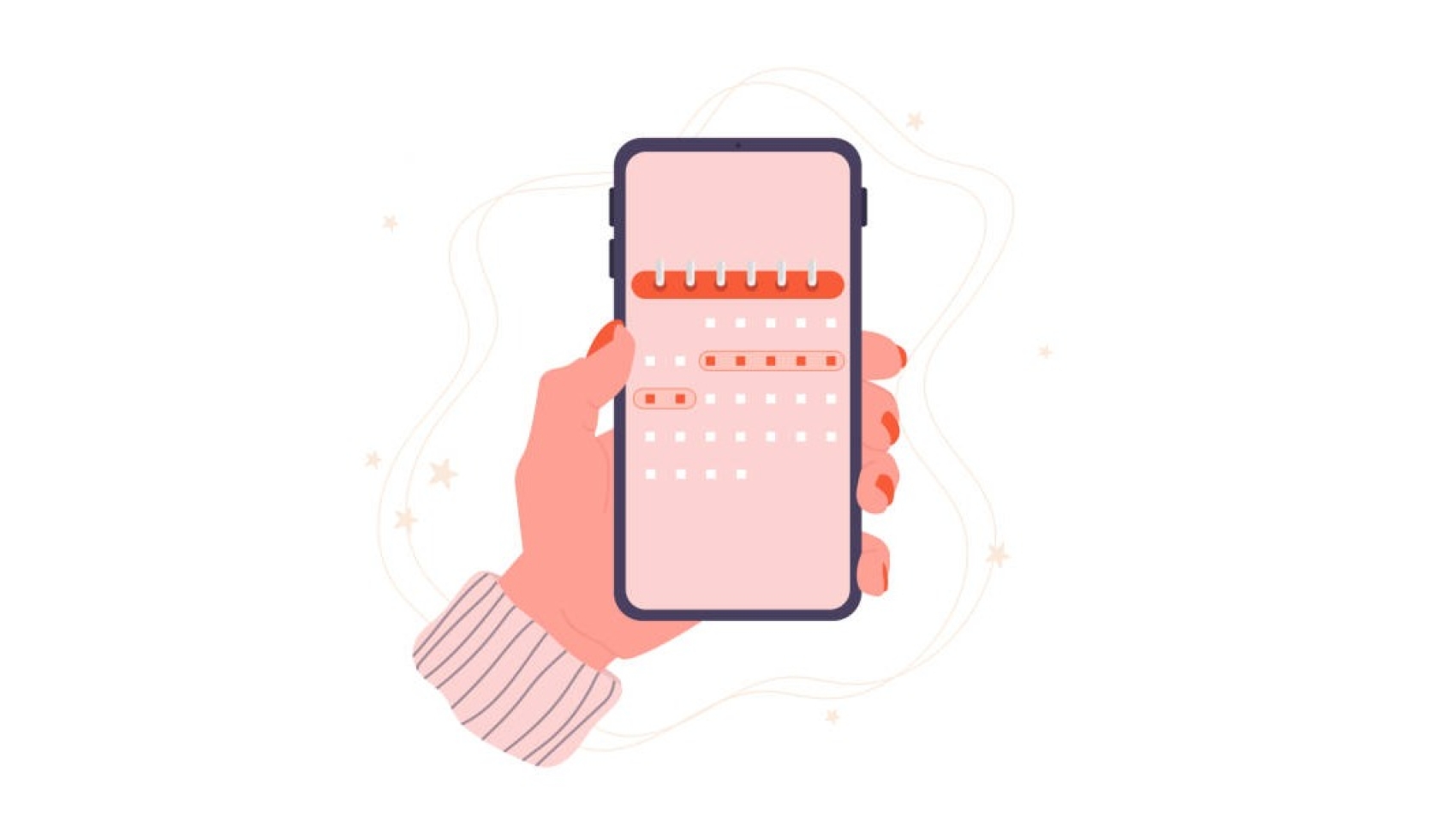
Menstrual Cycle

What is Menstrual Cycle?

The menstrual cycle is the monthly process that occurs in the female body of reproductive age, usually between the ages of 12 and 50. It is a series of physiological changes that occur in the reproductive system and is controlled by a complex interplay of hormones.

The menstrual cycle usually lasts for 28-32 days, although it can be shorter or longer in some women. The cycle is divided into several phases, including the follicular phase, ovulation, and the luteal phase.

During the follicular phase, which lasts for around 14 days, the body prepares for ovulation by releasing follicle-stimulating hormone (FSH) and luteinizing hormone (LH). These hormones stimulate the growth of a follicle in the ovary, which contains an egg.

Ovulation occurs when the egg is released from the follicle and travels down the fallopian tube, which usually happens around day 14 of the cycle. If the egg is fertilized by a sperm, it may implant in the uterus and result in pregnancy.

If the egg is not fertilized, the body enters the luteal phase, which lasts for around 14 days. During this time, the ruptured follicle in the ovary forms a structure called the corpus luteum, which produces progesterone to prepare the uterus for possible pregnancy.

If the egg is not fertilized, the corpus luteum breaks down and progesterone levels drop, which triggers the shedding of the uterine lining in the form of menstrual bleeding. This marks the beginning of a new menstrual cycle.

Types of menstrual cycles:

There are two main types of menstrual cycles: the regular menstrual cycle and the irregular menstrual cycle.

Regular menstrual cycle: A regular menstrual cycle is characterized by consistent intervals between periods. The typical length of a menstrual cycle is 28 days, but can vary between 21 and 35 days. Women with a regular menstrual cycle can usually predict when their next period will occur, and experience relatively stable menstrual flow, duration, and symptoms.

Irregular menstrual cycle: An irregular menstrual cycle is defined as one where the interval between periods is inconsistent, and varies by more than 7 to 9 days. This type of menstrual cycle can be caused by a number of factors, including hormonal imbalances, stress, weight changes, certain medications, and underlying medical conditions. Women with an irregular menstrual cycle may experience unpredictable periods, heavy or light bleeding, longer or shorter periods, and symptoms that fluctuate from cycle to cycle.

It’s important to note that occasional irregularities in the menstrual cycle are common and often not cause for concern. However, if a woman experiences persistent irregularities or significant changes in her menstrual cycle, she should consult with her healthcare provider to rule out any underlying health issues.

Why track Mestrual Cycle?

There are several reasons why tracking menstrual cycle is important:

Pregnancy planning: Tracking menstrual cycle can help women identify their fertile window, which is the period of time when they are most likely to conceive if they have sex. Knowing when ovulation is expected to occur can help women plan intercourse to increase their chances of getting pregnant.

Monitoring reproductive health: Changes in menstrual cycle can indicate underlying reproductive health issues. Tracking menstrual cycle can help women identify patterns or changes in their menstrual cycle that may warrant further medical investigation.

Managing menstrual symptoms: Women who experience menstrual symptoms, such as cramps, bloating, and mood changes, can use menstrual tracking to identify when these symptoms are most likely to occur. This information can help them prepare for and manage these symptoms more effectively.

Managing chronic conditions: Women with chronic conditions such as endometriosis or polycystic ovary syndrome (PCOS) may find that tracking their menstrual cycle helps them better manage their symptoms and treatment plans.

There are many tools available to help women track their menstrual cycle, including period tracking apps, menstrual calendars, and wearable devices. By tracking their menstrual cycle, women can better understand their bodies and take control of their reproductive and overall health.

Why Track Menstrual Cycle with Medugo?

Tracking menstrual cycle with Medugo has several advantages over traditional paper-based methods:

Convenience: With Medugo, women can track their menstrual cycle using their smartphone or tablet, which is often more convenient than carrying around a paper calendar or journal. Plus, Medugo can be accessed from anywhere, making it easy to track menstrual cycle on-the-go.

Personalization: A feature coming soon in Medugo will allow users to input additional data, such as symptoms, sexual activity, and medications, which can help personalize the tracking experience and provide more insight into menstrual cycle patterns and potential health issues.

Insights: Medugo often offer insights and analysis of the data collected, such as predictions of upcoming periods, ovulation dates, and fertile windows. This information can be useful for women who are trying to conceive, or those who want to better understand their menstrual cycle and health.

Privacy: Medugo offers privacy and security, as the data is only accessible to the user. This can be especially important for women who may feel uncomfortable sharing their menstrual cycle information with others.

Overall, tracking menstrual cycle Medugo can provide an easy and convenient way for women to monitor their menstrual cycle, identify patterns, and gain insights into their reproductive health.

WhatsApp Image 2023-06-17 at 2.26.34 PM

Oxygen Levels

What is Oxygen Level?

Oxygen levels refer to the amount of oxygen that is present in your blood. Oxygen is essential for the proper functioning of your body’s cells, tissues, and organs. Your body relies on oxygen to produce energy, so it’s important to maintain healthy oxygen levels.

Healthy oxygen levels typically range between 95% and 100%. A reading below 90% is considered low and may indicate a condition such as lung disease or hypoxemia, which is a condition where there is not enough oxygen in your blood.

There are many factors that can affect your oxygen levels, including altitude, smoking, air pollution, and certain medical conditions. Monitoring your oxygen levels may be important if you have a medical condition that affects your respiratory system or if you are undergoing medical treatment that can affect your oxygen levels.

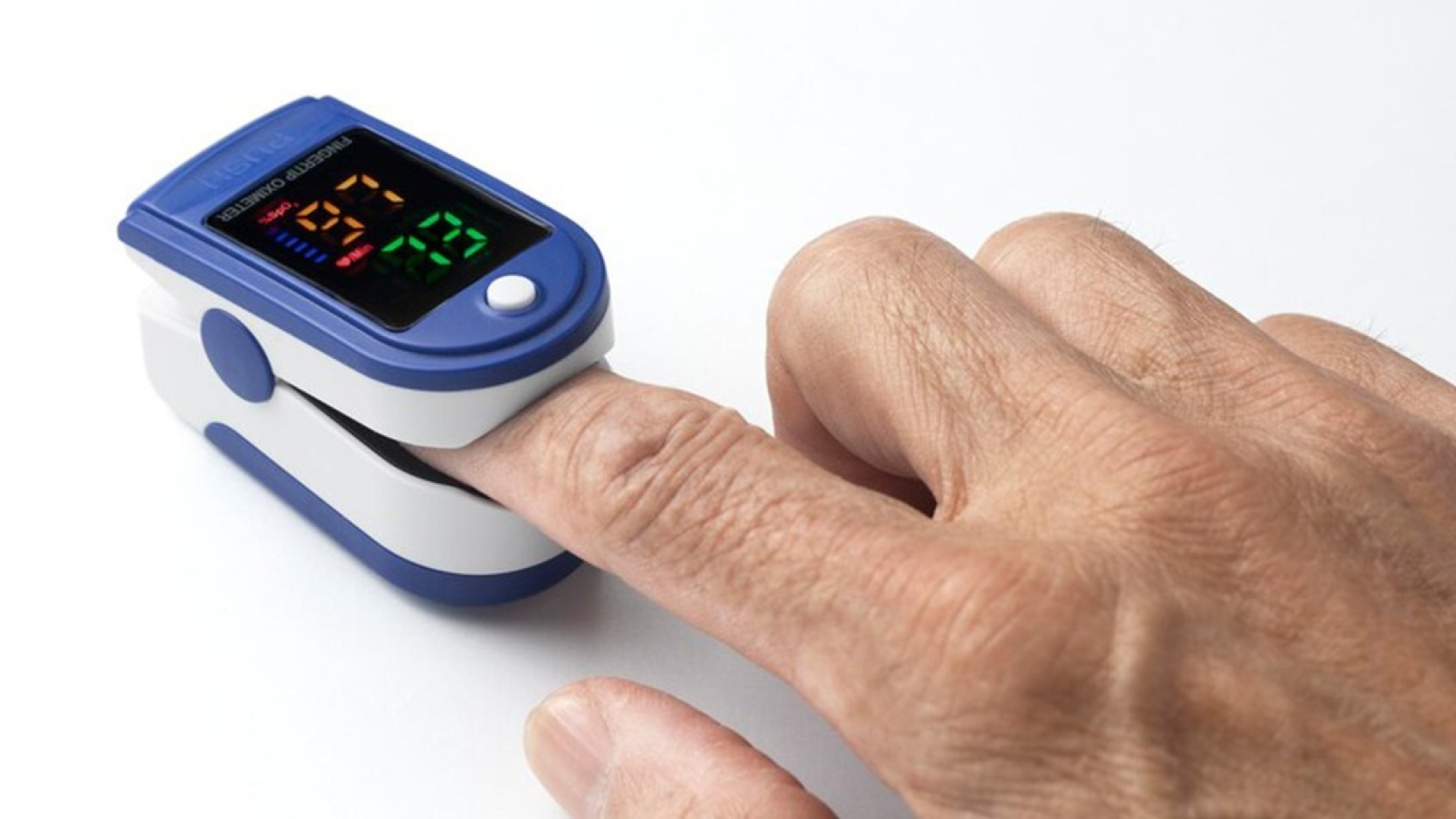
One way to monitor your oxygen levels is with a pulse oximeter, which is a small device that clips onto your finger and measures your oxygen saturation levels. Your healthcare professional may also measure your oxygen levels using a blood sample.

If you are concerned about your oxygen levels, it’s important to speak with a healthcare professional. They can help you to interpret your oxygen levels and provide personalized recommendations for maintaining healthy oxygen levels and managing any underlying medical conditions.

Types of Oxygen Levels:

There is typically only one type of oxygen level that is monitored in a medical context, and that is arterial oxygen saturation (SaO2), also known as SpO2 or simply oxygen saturation. This is a measure of the percentage of oxygen-bound hemoglobin in the arterial blood, which reflects the amount of oxygen being delivered to the body’s tissues.

Normal arterial oxygen saturation levels typically range from 95-100%. Levels below 90% may be a cause for concern and could indicate a medical issue such as hypoxemia, which is a condition characterized by low oxygen levels in the blood. Levels below 80% can be life-threatening.

Other types of oxygen levels may be used in different contexts, such as partial pressure of oxygen (PaO2) or oxygen concentration in the air (FiO2). However, these are not typically used for personal monitoring or tracking of oxygen levels. PaO2 is a measure of the amount of oxygen dissolved in the blood, and is often measured in a clinical setting to diagnose and monitor respiratory and cardiovascular diseases. FiO2 is a measure of the concentration of oxygen in the air that a person is breathing, and is typically used in settings such as hospitals or airplanes where supplemental oxygen may be needed.

Why monitor Oxygen Levels?

Monitoring your oxygen levels is important because your body requires oxygen to function properly. Your organs and tissues need a continuous supply of oxygen to produce energy and carry out their normal functions.

Low oxygen levels, also known as hypoxemia, can lead to serious health problems. When your body is not receiving enough oxygen, it can cause symptoms such as shortness of breath, confusion, and fatigue. If left untreated, hypoxemia can lead to organ damage and even death.

Monitoring your oxygen levels can help you to identify any potential issues early on, before they develop into more serious health problems. It can also help you to track the effectiveness of any medical treatments that you may be undergoing to manage your oxygen levels.

People who are at a higher risk for low oxygen levels include those with respiratory conditions such as asthma or COPD, people with certain heart conditions, and those who live at high altitudes. If you fall into any of these categories, monitoring your oxygen levels may be especially important.

Your healthcare professional can help you to determine if you should be monitoring your oxygen levels and how often you should do so. They can also provide guidance on how to interpret your oxygen level readings and recommend any necessary treatments or lifestyle changes to help you maintain healthy oxygen levels.

Tracking Oxygen Level Readings with Medugo:

Tracking your oxygen level readings can be important for monitoring your overall health, especially if you have a medical condition that affects your respiratory system or if you are undergoing medical treatment that can affect your oxygen levels. 

Pulse oximeters: A pulse oximeter is a small device that clips onto your finger and measures your oxygen saturation levels. Many models also track your heart rate. Some pulse oximeters also have the ability to store your readings and provide trend data over time.

Note these readings in your Medugo App. This can be helpful for identifying any trends or changes in your oxygen levels.

When tracking your oxygen levels, it’s important to measure your levels at the same time each day and to follow any instructions provided by your healthcare professional. You should also bring your tracking data to any appointments with your healthcare professional so that they can review it and provide personalized recommendations for managing your oxygen levels.

Remember that monitoring your oxygen levels is just one part of a comprehensive approach to managing your overall health. Other important factors include maintaining a healthy diet, getting regular physical activity, managing stress, and avoiding tobacco and excessive alcohol use.

WhatsApp Image 2023-06-17 at 2.26.35 PM (1)

Fever

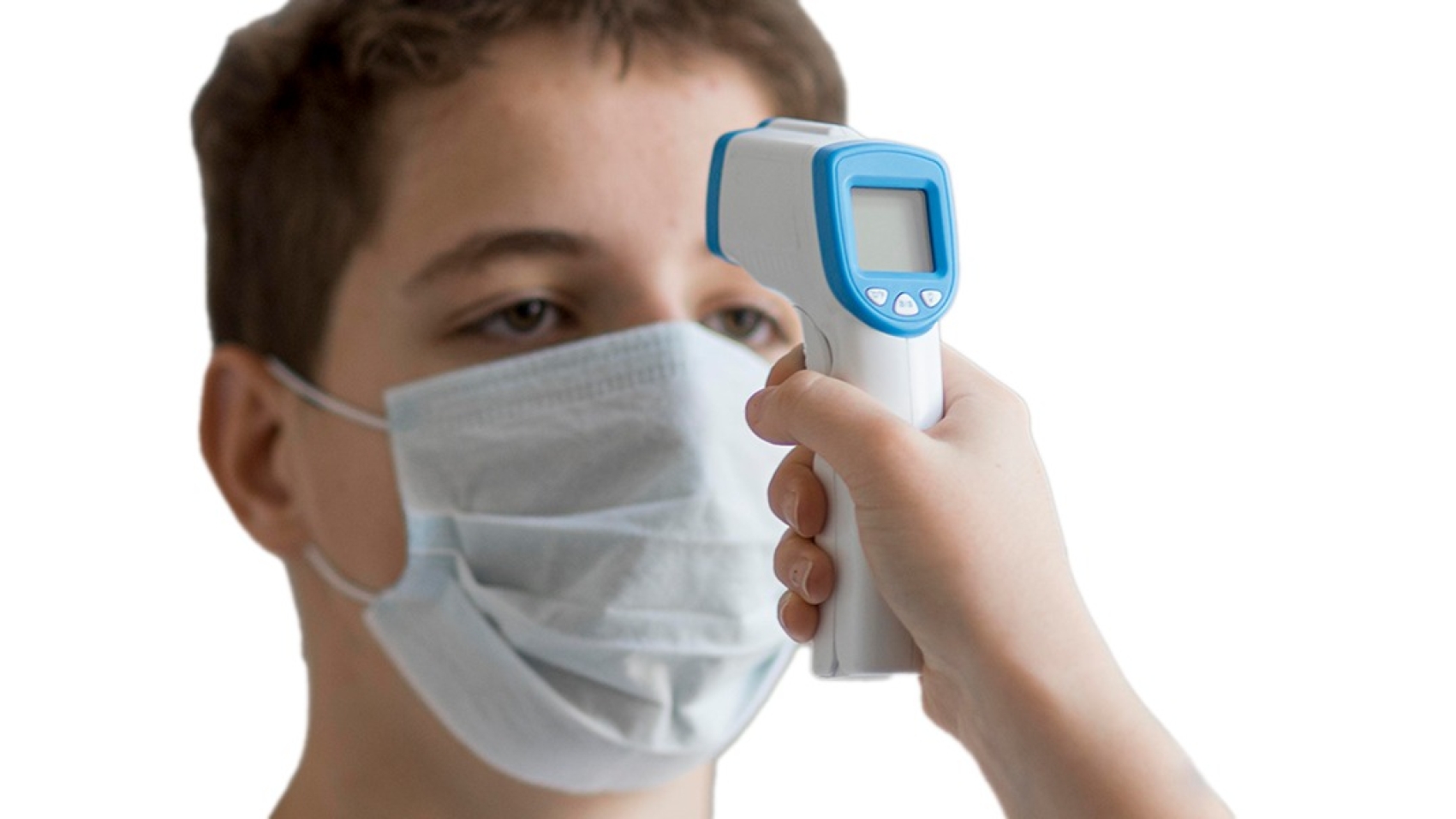
A fever is a symptom of an underlying condition, such as an infection or inflammation, in which the body temperature rises above its normal range (usually considered to be around 98.6°F or 37°C). Fevers can be caused by a variety of conditions, including viral and bacterial infections, injuries, and certain medical conditions. Symptoms of a fever may include a warm or flushed feeling, sweating, chills, and a rapid heartbeat. In most cases, a fever is not harmful and can be treated with over-the-counter medications, such as acetaminophen or ibuprofen, and home remedies, such as drinking plenty of fluids and getting rest. However, in some cases, a fever may be a sign of a more serious condition and should be evaluated by a healthcare provider.

Types of Fever

There are several different types of fevers, which can be classified based on their cause, duration, and other characteristics. Some common types of fevers include:

Acute fever: This type of fever is usually caused by a viral or bacterial infection and lasts for a short period of time, typically a few days.

Intermittent fever: This type of fever is characterized by episodes of fever that come and go, often caused by conditions such as tuberculosis or brucellosis.

Remittent fever: This type of fever is characterized by a high fever that fluctuates but never completely resolves, often caused by conditions such as malaria or typhoid fever.

Continuous fever: This type of fever is characterized by a fever that is consistently high and lasts for a prolonged period of time, often caused by conditions such as lupus or rheumatoid arthritis.

Hyperpyrexia: This type of fever is characterized by a very high fever, usually above 104°F, which can be caused by conditions such as heatstroke or meningitis.

Subfebrility: This type of fever is characterized by a low-grade fever, usually between 99-101F, which can be caused by chronic infection or conditions such as cancer.

It’s important to note that the presence of fever is not necessarily a definitive indicator of a specific illness or condition and a proper diagnosis requires examination and other diagnostic tests by a doctor.

Why Monitor Fever?

Monitoring fever is important because it can provide important information about the underlying cause of the fever and the severity of the condition.

Identifying the cause: Different conditions and illnesses can cause fevers, and monitoring the fever can help healthcare providers identify the underlying cause. For example, a fever that lasts for a few days and is accompanied by a sore throat and swollen lymph nodes is more likely to be caused by a viral infection, such as the common cold, whereas a fever that lasts for a prolonged period of time and is accompanied by joint pain and a rash is more likely to be caused by a bacterial infection, such as Lyme disease.

Assessing severity: Monitoring a fever can also provide important information about the severity of the condition. A high fever, for example, may indicate a more severe infection or condition, whereas a low-grade fever may indicate a less severe condition.

Tracking response to treatment: Monitoring a fever can also help healthcare providers determine whether a fever is responding to treatment. If a fever is decreasing in response to treatment, it is likely that the underlying condition is also improving.

Detecting fever of unknown origin: Some people have fever with no obvious cause and this is called Fever of unknown origin (FUO). Monitoring the fever can help healthcare providers identify the underlying cause of FUO.

Monitoring fever in vulnerable population: Monitoring fever is especially important in vulnerable population such as infants, elderly and people with chronic illness as they are at higher risk of complications from fever.

It’s important to note that fever is a symptom, not a disease and it can be caused by different conditions, so monitoring fever is just one aspect of diagnosing and treating the underlying condition.

Tracking Fever Readings with Medugo:

With Medugo app, you can tracking fever readings that can provide important information about the progression of the fever and the effectiveness of treatment for you and your loved ones.

Progression of fever: Medugo tracks fever readings over time and provides important information about how the fever is progressing. If the fever is consistently increasing, it may indicate that the underlying condition is getting worse, whereas if the fever is decreasing, it may indicate that the condition is improving.

Effectiveness of treatment: With Medugo app tracking fever readings can also help doctors determine whether treatment is effective. If the fever is decreasing after treatment, it is likely that the treatment is working, whereas if the fever remains high or continues to increase, it may indicate that the treatment is not effective and a different approach may be needed.

Identifying patterns: Tracking fever readings with Medugo app can also help identify patterns, such as whether the fever is more likely to occur at certain times of the day or whether certain triggers, such as stress or exposure to certain allergens, may be causing the fever.

Use as a diagnostic tool: Tracking fever readings using Medugo, as a diagnostic tool. For example, a fever that spikes in the late afternoon and evening may indicate a condition called “cyclic fever” which may be indicative of a certain type of infection or inflammatory disease.

Monitoring fever in vulnerable population: Tracking fever readings is especially important in vulnerable population such as infants, elderly and people with chronic illness, as they are at higher risk of complications from fever. Medugo helps you keep a track for everyone at home.

It’s important to note that tracking fever readings is one aspect of diagnosing and treating the underlying condition. A proper diagnosis and treatment plan requires examination and other diagnostic tests by a Doctor.